


Walk into Yiwu International Trade City for the first time and the scale hits you immediately. Over 75,000 booths. Buyers from more than 200 countries. Hundreds of product categories packed across five districts that together cover more ground than three Canton Fairs combined. It is the largest wholesale market in the world — and it can feel completely overwhelming if you do not know what you are doing.
The question every importer asks is the same one: who can I actually trust here? Finding a supplier is easy. Finding one that delivers what they promised, at the price you agreed, with the quality you approved — that is the real challenge. This guide walks you through exactly how to do it. By the end, you will know how to search, how to verify, what to watch out for, and why getting local help changes the entire equation.
Why Finding the Right Supplier in Yiwu Is Harder Than It Looks
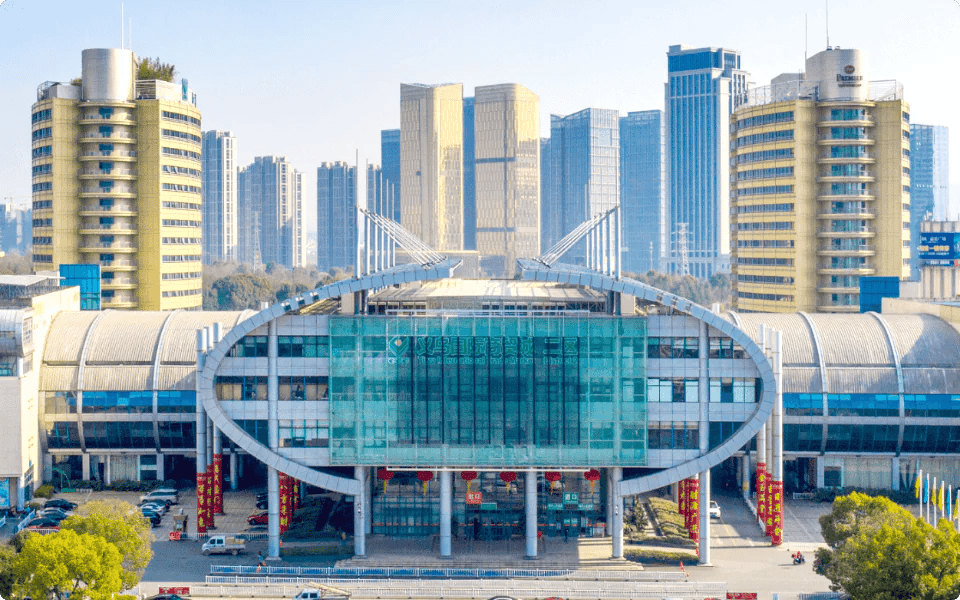
The first thing most buyers get wrong about Yiwu is assuming they are buying factory-direct. Most booths in the market are run by trading companies, not manufacturers. A trading company acts as a middleman — they place your order with a factory and add a margin on top. That arrangement is perfectly normal. The problem comes when a trading company tells you they are the manufacturer, and you negotiate a price expecting factory margins that are not actually on the table. You do not find out until something goes wrong.
Price competition between booths makes this worse. When dozens of suppliers sell near-identical products within the same floor, they compete hard on price to win your business. That pressure does not disappear once you sign. It often gets pushed downstream — through thinner materials, substituted components, or production shortcuts that only show up when your bulk order arrives and you compare it against the sample sitting on your desk.
The stakes are real. A Global Times investigation found that scams at Yiwu Market cost suppliers and buyers approximately 836.5 billion yuan ($119.37 billion USD) in a 2025. The market is mostly legitimate, and millions of successful orders ship from Yiwu every year. But the scale means bad actors exist — and they specifically target buyers who skip verification steps. Understanding why the market is complex is the first step to navigating it without getting burned.
Know the Market Before You Start Searching
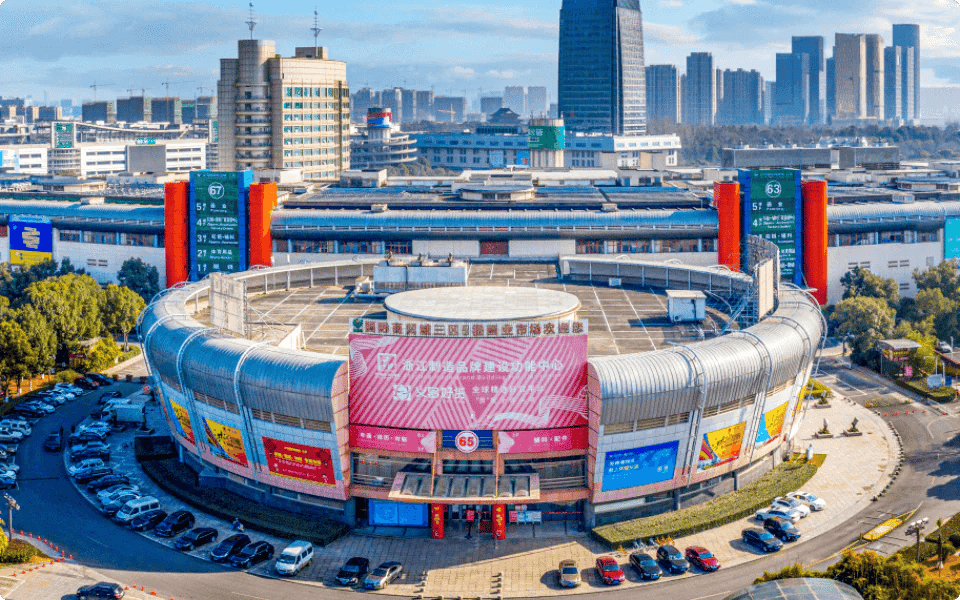
Yiwu International Trade City is not one market. It is five separate districts, each focused on a different product category. District 1 covers toys, artificial flowers, and accessories. District 2 handles hardware, electrical products, and tools. District 3 focuses on arts, crafts, and printing supplies. District 4 is the textile district — clothing, fabric, ribbons, and everything related. District 5, the newest addition, covers imported goods, jewellery, auto accessories, and health products. Walking into the wrong district does not just waste an hour — it can waste an entire day.
Before your first trip, spend time on Yiwugo.com or Union Service’s Yiwu market Guide Book, the official online platform for the market. It lists over 1.8 million products from registered Yiwu booths, searchable in English. Look up your product, note which district and floor number comes up consistently, and write down five to ten booth IDs worth investigating. You walk in with a shortlist instead of a blank map. That alone cuts your sourcing time in half.
One practical note on timing: the market runs every day from 8:30am to 5:00pm and closes for only about two weeks each year during Chinese New Year — typically late January through mid-February. If your trip falls in that window, you will find closed shutters and empty floors. Plan around it. Every other day of the year, the market is open and fully operational.
The 5 Ways Buyers Find Suppliers in Yiwu

There is no single right way to find suppliers in Yiwu. Most experienced buyers use a combination of these five methods, depending on how much time they have, how complex their product is, and whether they are sourcing for the first time or returning to an established category.
1. Visit the market in person. Nothing replaces being there. You can walk a full district, compare dozens of booths side by side, handle samples, and read the room in a way that no email or video call allows. If you plan to go, budget two to three days minimum for your product category — not one afternoon. Day one is for comparison and sample collection. Day two is for revisiting your shortlist with specific questions. Day three is for negotiation. Buyers who rush this process almost always end up repeating it after the first order disappoints.
2. Use Yiwugo.com for pre-trip or remote sourcing. If you cannot visit, or want to do solid research before you land, Yiwugo is the right starting point. Cross-reference profiles with what suppliers tell you directly — discrepancies between the two are worth investigating.
3. Search Alibaba and 1688.com. Many Yiwu suppliers list on both platforms. Alibaba is the English-facing version; 1688.com is the domestic Chinese platform where you often see lower base prices. Use them to cross-check what a booth tells you about their pricing and product range.
4. Work with a local sourcing agent. This is the fastest route to verified suppliers, and it is covered in detail later in this guide. A good agent cuts the average supplier selection process from weeks to three to five days — because they already know which booths in your category have a track record, which ones changed owners recently, and which ones have complaints on file with the market management office.
5. Get referrals from trade show contacts. If you attend the Canton Fair or other international expos, you will meet Yiwu-based suppliers regularly. A referral from a buyer who has already placed successful orders with a specific supplier cuts your verification time significantly. Start with a known name, then still run the full checks.
How to Verify a Yiwu Supplier Before You Commit
This is where most buyers cut corners — and where most problems start. Verification takes two to three days. Skipping it can cost you three to four months and the full value of your order. Here is the process, step by step.
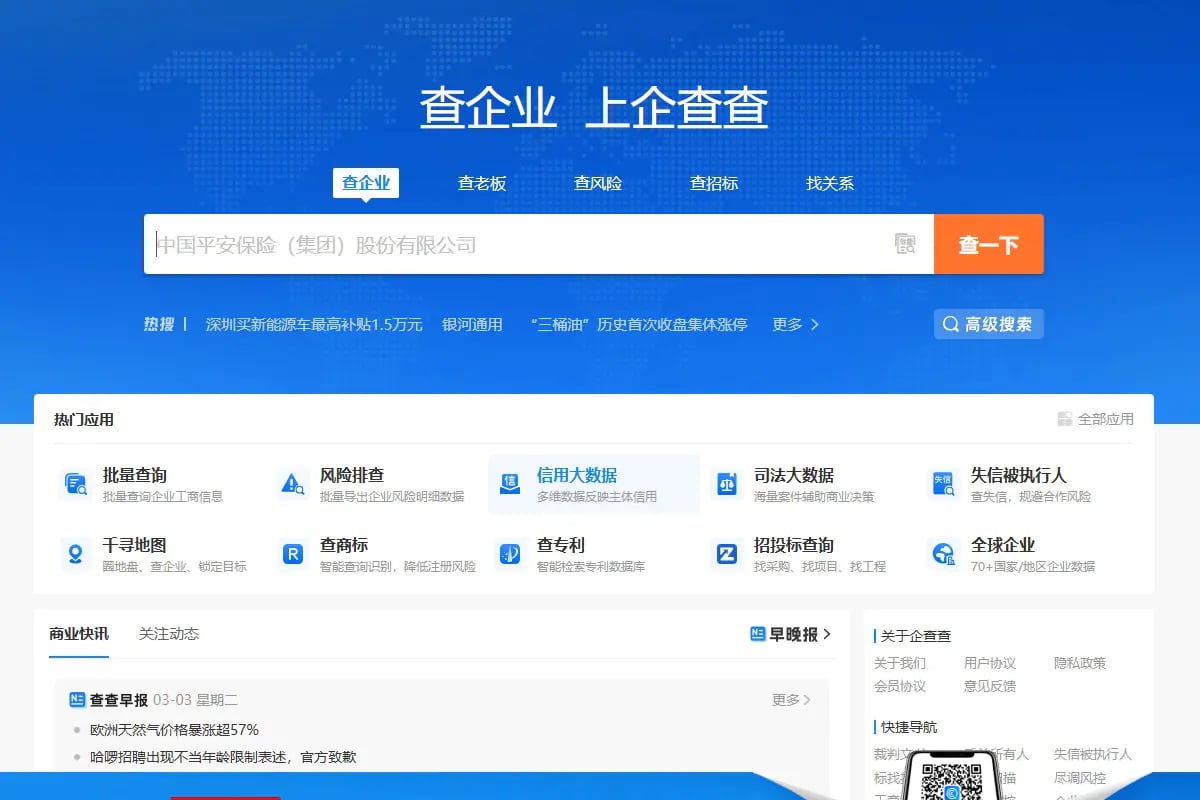
Step 1 — Request the 18-digit Unified Social Credit Code. Every legally registered company in China has one. It is the equivalent of a business registration number and there is no legitimate reason a supplier cannot provide it. Run it through Qichacha or the official SAMR government database. A company that comes back as not found, dissolved, or with a name that does not match what you were told is an immediate stop.
Step 2 — Cross-check their profile on Yiwugo.com. Does the listing match what the supplier told you about their product range and history? How long have they been registered on the platform? A booth with two months of registration history selling complex manufactured goods warrants more scrutiny than one with five years of consistent listings.
Step 3 — Ask for a factory visit or video walkthrough. Real manufacturers welcome this. A supplier who agrees immediately and sets a date is sending a different signal than one who says yes and then never follows through. Watch the response, not just the answer — hesitation usually means there is less behind the booth than they have let on.
Step 4 — Order a sample and document it precisely. Before any bulk commitment, get a paid sample and record the specifications in writing — photos, materials, weight, dimensions, and any certifications. Sign off on it with the supplier. This document becomes your legal benchmark. One buyer sourcing children’s toys received a perfect sample: correct materials, correct dimensions, CE certified. The bulk order arrived with thinner plastic, no certification documentation, and 15% fewer units than invoiced. The sample had been hand-built to spec. The bulk order was production-line standard. A signed sample agreement would have created a clear dispute record. Without it, there was no legal ground.
Step 5 — Check the payment structure. Legitimate suppliers accept T/T bank transfer with a standard deposit and balance structure — typically 30% upfront, 70% before shipment. Any supplier demanding 100% payment in advance via Western Union or untraceable wire transfer is a red flag, not a payment preference.
Red Flags That Tell You to Walk Away
Every supplier has an off day. But certain signals are not about bad timing — they are about bad business. Here are the ones that matter most.
A supplier who will not share their Unified Social Credit Code has no legal reason to withhold it. Chinese law requires every registered business to display it. If they say they will send it later and later never comes, that is not a paperwork delay.
A sample that is perfect but bulk order specs that are suddenly “negotiable” is one of the most common setups in Yiwu. The sample earns the deposit. The bulk order delivers something cheaper. Prices 30 to 40 percent below every comparable booth work the same way — that margin has to come from somewhere, and it usually comes out of your product quality.
Watch for 100% upfront payment requests, a communication channel limited to a personal WeChat account with no fixed booth address, and certifications that cannot be verified directly with the issuing authority. One buyer sourcing promotional electronics sent a CE certificate number to the certifying body — the number returned no result. The certificate had been fabricated. Asking the question is not enough. Verify the answer independently.
Pro Tip: Run a quick Google search on the supplier’s company name with the word “scam” or “complaint” added. It takes two minutes. Buyers who have had bad experiences often document them on Reddit, Alibaba review sections, or sourcing forums. One or two red flags can often be explained. Two or three together is a pattern. Trust the pattern.
Why a Local Sourcing Agent Changes Everything
A sourcing agent based in Yiwu with a long track record does not just hand you a list of suppliers. They remove the ones that are not worth your time before you ever see them. Our team at Union Service has built relationships with 9,000+ verified suppliers over more than 20 years of on-the-ground sourcing. That list was built through real orders, real QC checks, and real problems solved — not pulled from a directory.
Buyers who use a local agent save an average of 30% on sourcing costs compared to those who negotiate directly without local knowledge. Negotiating in Chinese, with market context and relationship history behind the conversation, changes what price is actually available to you. The agent fee typically pays for itself in the first negotiation alone.
The difference becomes clearest after something goes wrong. A US-based Amazon seller came to us after two failed direct orders — wrong specifications, late delivery, and a supplier who stopped responding after the second complaint. We identified three verified suppliers in District 2 with documented shipping histories to EU and US buyers and no open disputes. The first order arrived on schedule, matched the approved sample exactly, and came with a full photo inspection report showing every item checked before it left our 13,000 m² warehouse. That is what the agent relationship is actually worth — not just finding suppliers, but standing between you and the ones who would burn you.
Questions to Ask Every Supplier Before You Place an Order
The right questions separate a professional supplier from one who is figuring it out as they go. Ask these seven before any deposit changes hands.
- What is your minimum order quantity for this product? MOQs in Yiwu typically start at 100 to 200 pieces. Anything significantly lower is worth questioning.
- What is the lead time from deposit to ready-to-ship? Get this in writing. Verbal lead times and written ones sometimes differ.
- Can I order a paid sample first — and will the bulk order match it exactly? A supplier who hesitates on this question is telling you something.
- What is your quality control process during production? A supplier running a real operation can answer this in 30 seconds.
- What certifications does this product hold, and can I verify them directly? Then go verify them. Do not take the document at face value.
- What are your payment terms — deposit percentage and balance timing? Standard is 30/70. Anything that pushes toward full upfront payment needs a clear justification.
- Who handles the export documentation and customs paperwork? Understand whether this is included or a separate cost before the contract is signed.
Pro Tip: Ask your top three questions twice — once by email, once in person or on a video call. Suppliers who are making things up give inconsistent answers. Suppliers running a real operation give the same answer both times. A discrepancy between written and verbal responses is worth investigating before you commit. It is also worth reading our full guide on what to expect from the quality control process before you finalise any supplier agreement.
What “Reliable” Actually Means in Yiwu
Reliable is not the booth with the best English speaker. It is not the lowest price, and it is not the supplier with the most polished WeChat profile. A reliable supplier has a verifiable registration, a real production history, and something to lose if they burn you — an established booth, a long-term lease, returning clients who would hear about it. Anonymity is the friend of the scammer. Accountability is the mark of a real operation.
After your first successful order, document everything: the supplier’s full company name in Chinese and English, their 18-digit registration number, the booth number, and the name of your main contact. Yiwu has real staff turnover. If you come back 12 months later and your contact has changed, that documentation lets you verify you are still dealing with the same registered entity — not a new operator who took over the booth after the original business folded.
Buyers who follow a structured verification process — registration check, documented sample sign-off, supervised quality control, milestone payments — report dramatically fewer disputes than those who move fast on price alone. The two to three extra days of due diligence at the start of a sourcing relationship is the cheapest form of insurance available to any importer.
If you want to skip the learning curve and work with a team that has already done this verification work across 9,000+ suppliers and 3,000+ containers per year, contact the Union Service team directly. We have been sourcing from Yiwu since 2004. We know the market, the suppliers, and exactly what it takes to get the right goods into the right container.